
Surface science,
reimagined.
From invisible innovation to unmatched protection. WetProof Global develops nanotechnology coatings that defend automotive, aerospace, marine and industrial surfaces.
- 2012
- Founded
- 19
- University R&D partnerships
- 2
- Continents, R&D & operations
- 4+
- Industries served
Trusted across the world's most demanding industries
- Ferrari
- Boeing
- Mercedes
- Airbus
- Porsche
- BMW
- Cadillac
- Volkswagen
Protection engineered at the nanoscale
Two breakthrough coatings, built on years of surface-science research.
Excalibur NanoFilm
Impact-activated nanocoating, up to 85× thicker protection.
- 85×Thicker protective layer
- 9H+Surface hardness
- 110°+Hydrophobic contact angle
BionicA
Self-healing coating with advanced UV resistance.
- Self-healRepairs micro-scratches
- UV+Advanced UV resistance
- GlossLong-lasting depth & shine
The science of how surfaces meet water
Hydrophobic, superhydrophobic, hydrophilic and self-healing. The properties behind every WetProof coating.
Hydrophobic
A hydrophobic surface repels water, causing droplets to bead up rather than spread, typically with a water contact angle above 90°.
Superhydrophobic
A superhydrophobic surface is extremely water-repellent, with a water contact angle above 150°, so droplets barely touch the surface and roll off almost instantly.
Hydrophilic
A hydrophilic surface attracts water, causing it to spread into a thin even sheet rather than bead, typically with a contact angle below 90°.
Self-Healing
A self-healing coating automatically repairs fine scratches and swirl marks, typically when triggered by heat, restoring the surface without polishing.
WetProof always gets the job done
Solutions engineered for the world's most demanding sectors, and for everyday surfaces too.
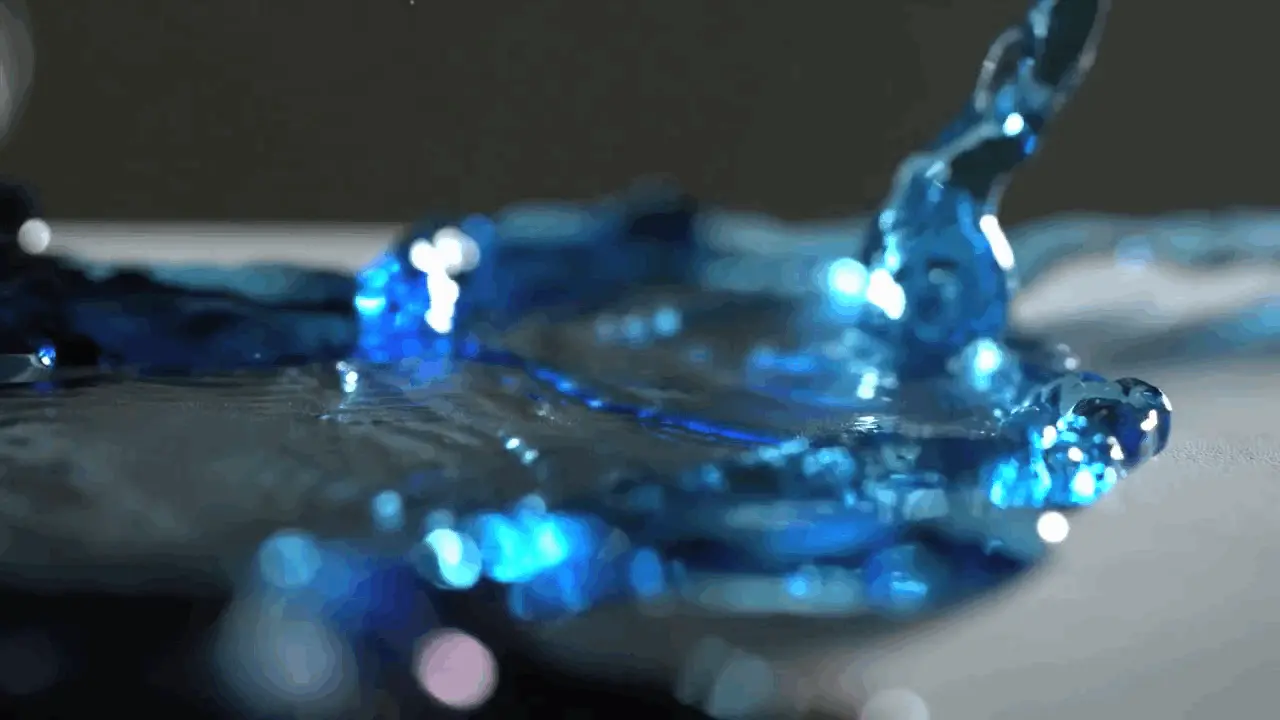
Seeing is believing
Our nanofilm beads water on contact. No dirt, no stains, protection renews with every touch.
Explore the scienceAutomotive
Showroom-grade protection for every surface of the vehicle.
ExploreMarine
Defence against salt, water and the harshest marine environments.
ExploreAerospace
Lightweight protection engineered for demanding aerospace surfaces.
ExploreGeneral Coating
Everyday protection for industrial, household and consumer surfaces.
ExploreFrom molecule to market
End-to-end chemistry services that turn ideas into manufacturable, high-performance coatings.
Custom Synthesis
Bespoke chemical synthesis tailored to your unique requirements.
Process Development
Optimize chemical processes for performance, yield and scale.
Analytical Services
Characterize and verify chemical substances and coatings.
Formulation Development
Optimize formulations for stability, performance and shelf life.
Consulting
Expert advice on coatings, surface science and chemical challenges.
Core competencies
What sets our coatings and our company apart.
Research & Development Excellence
Continuous nanotechnology research in partnership with universities worldwide, turning science into real-world coatings.
Quality Control & Assurance
Rigorous testing and characterization ensure every formulation performs consistently and meets demanding standards.
Strategic Partnerships
Collaborations with academia and industry accelerate innovation and bring advanced solutions to market faster.
Market & Commercialization
Deep understanding of industry needs lets us commercialize the right products for professional and amateur use.
An inspiring career awaits you at WetProof
“Working at WetProof means turning cutting-edge surface science into products that genuinely protect what people value. The culture of innovation here is unmatched.”
“From the lab to the field, every project pushes the boundaries of what coatings can do. It is a rare place where research and real impact meet.”
Nanocoating questions, answered
Both repel water, but the degree differs. A hydrophobic surface has a water contact angle above 90°, while a superhydrophobic surface exceeds 150°, repelling water so strongly that droplets roll off almost instantly and carry away dirt; the self-cleaning lotus effect.
A nanotechnology coating is an ultra-thin protective layer engineered at the nanometer scale that changes how a surface interacts with water, light, chemicals and wear, delivering properties such as water repellency, self-cleaning, UV resistance and self-healing.
The water contact angle measures how a droplet sits on a surface. A low angle (below 90°) means the surface is hydrophilic and water spreads out; a high angle (above 90°, and especially above 150°) means the surface is hydrophobic or superhydrophobic and water beads up.
Ready to protect what matters?
Talk to our team about coatings, distribution or certification.